
Why Freight Visibility Starts at the Purchase Order, Not the Shipment
Most visibility tools only kick in once freight is tendered to a carrier. That gap between PO and pickup is where supply chain problems quietly compound.
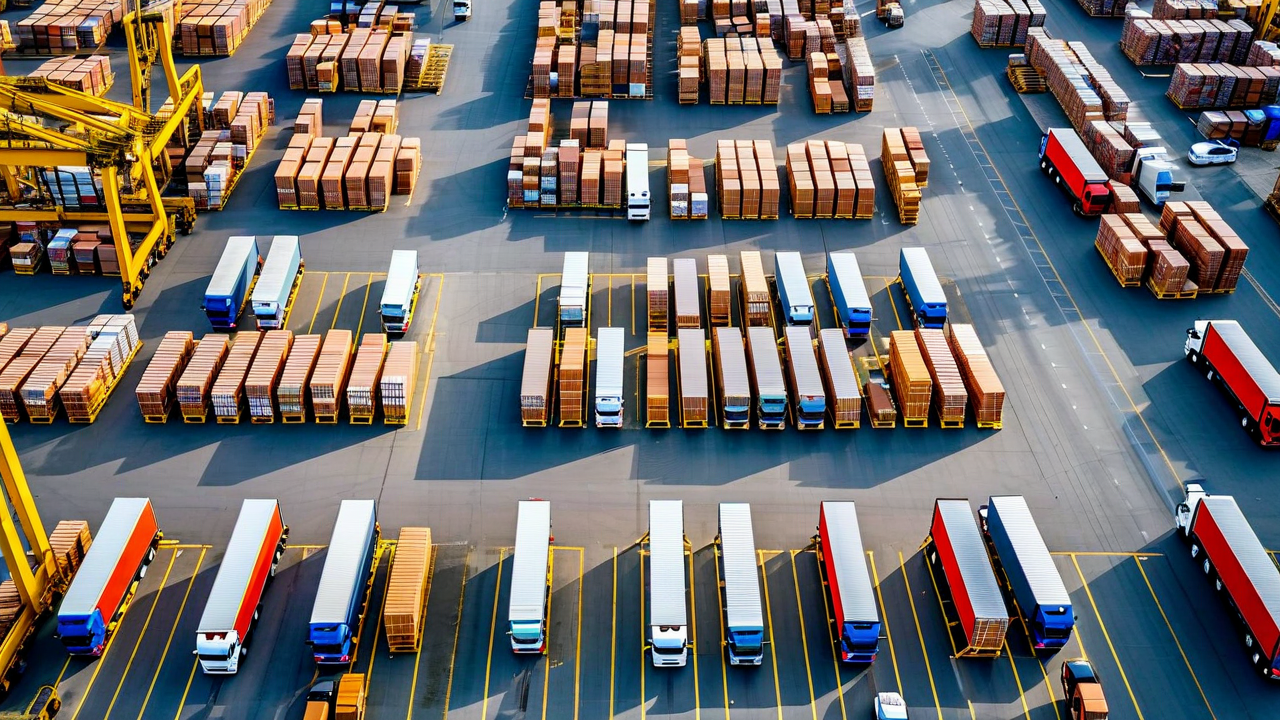
The $800B Problem: Inventory Distortion Caused by Poor Supply Chain Data
Inventory distortion costs the global economy roughly $800 billion a year. A significant share of that comes from freight data that arrives too late to act on.

How a 3PL Reduced Customer Inquiries 60% With Real-Time Tracking
A regional 3PL was spending 30% of customer service hours answering where-is-my-freight calls. Real-time tracking changed that math completely.

Ocean Freight Delays Are Predictable If You Have the Right Data
Port congestion, vessel schedule changes, weather disruptions - these events feel random but most follow detectable patterns. Here is what the data shows.
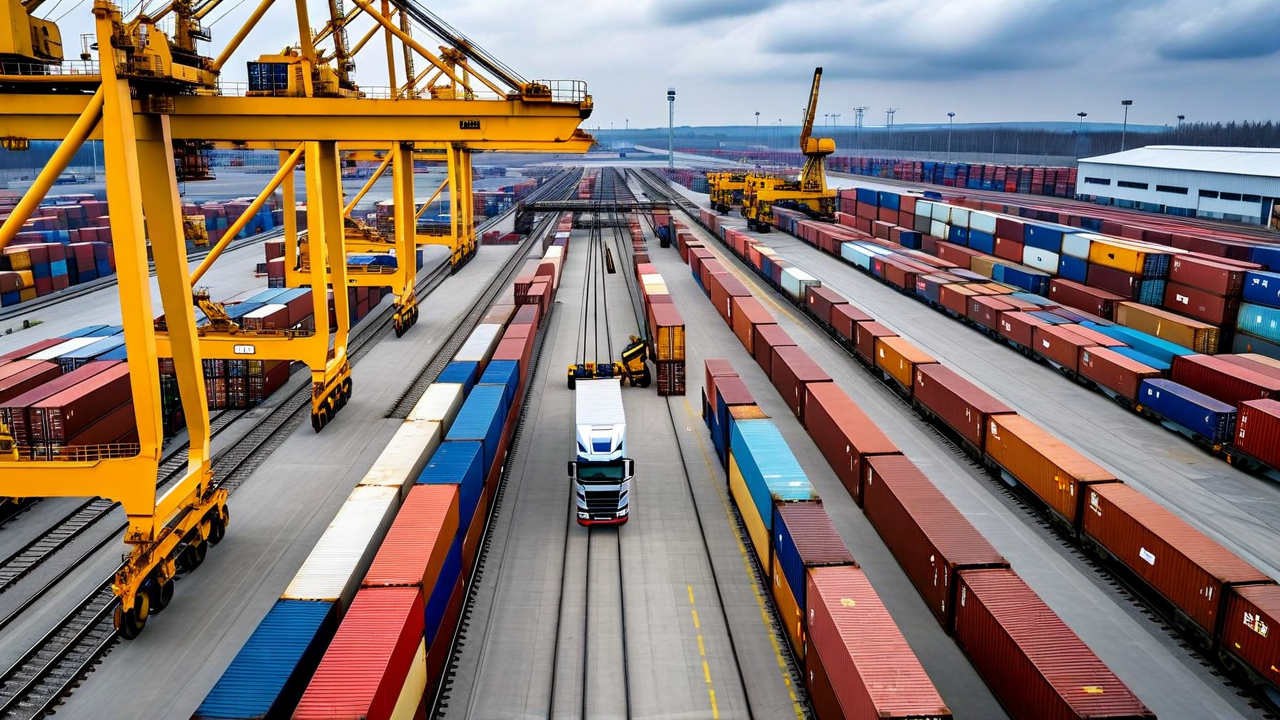
The Case for Multi-Modal Visibility in a Single Platform
Managing truckload in one system, ocean in another, and rail in a spreadsheet creates gaps that cost time and money. Here is why unified visibility matters.

EDI Is Not Dead, But It's Not Enough Anymore
EDI still moves most freight transactions. The problem is it was never designed for real-time visibility, and patching around its limitations is costing logistics teams more than they realize.

Carrier Performance Scorecards That Actually Drive Improvement
Most carrier scorecards measure the wrong things, arrive too late, and get ignored. Here is how to build scorecards that change carrier behavior.

Customs Clearance Bottlenecks and How Predictive ETAs Help
Customs delays are the most unpredictable part of international freight. Predictive ETAs and better data handling are changing how logistics teams manage the uncertainty.

The Warehouse Blind Spot: When Visibility Ends at the Dock Door
Your freight tracking shows delivered. Your warehouse shows received. What happens in between can take hours you are not measuring and costs you cannot see.
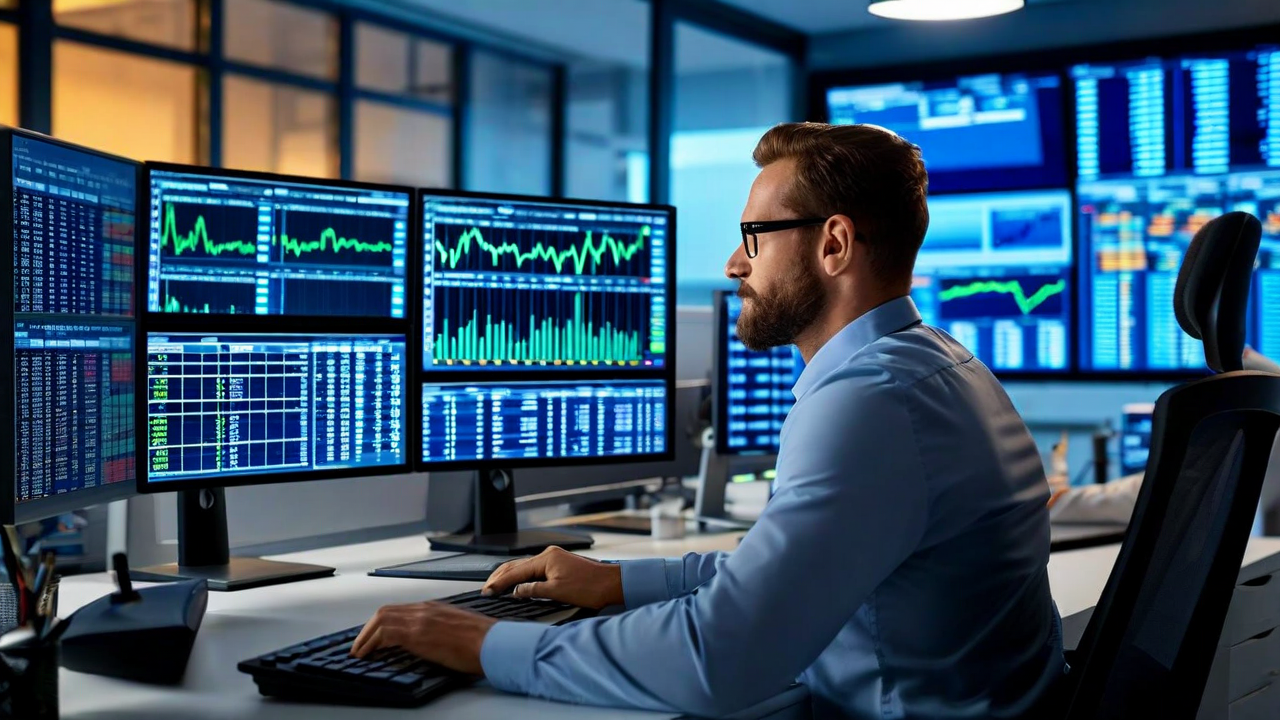
What 2 Million Shipments Taught Us About Transit Time Variability
Two million shipments tracked. Here is what the data reveals about where transit time variability actually comes from and what you can do about it.